We are living in a curious phase: we have never had so much information... and, at the same time, it has never been so easy to be misled by information.
I use AI every day. I like it. It accelerates. It delivers insight. But there is one thing I learned quickly and want to record here:
AI is trained to be plausible. Humans are trained to be responsible. These are different things.
AI gives you the answer "that makes sense." The human has to ask: "where can this go wrong?"
And that is, for me, the most important question a serious professional should ask an AI: "What are you NOT seeing / cannot guarantee in this answer?"
Because then:
- you reveal the model's blind spot,
- you remember that context is not in the data,
- and you avoid a bad decision dressed up as a pretty answer.
And why is this relevant to business, finance, and real estate (which is where I operate)? Because context errors in finance cost money. AI doesn't know that the investor is more risk-averse this month. AI doesn't know that the partner had a fight yesterday. AI doesn't know that the bank changed the credit line on Monday.
People know this. People who are in operations. People who look at reports, but also look you in the eye.
That's why my vision is simple:
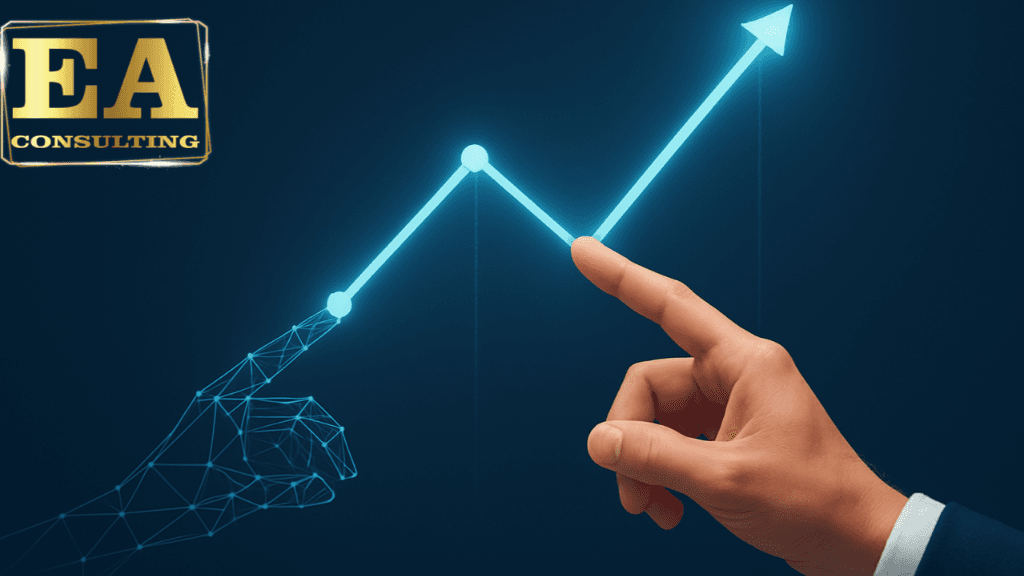
"Good AI does not replace a serious professional. Good AI empowers a serious professional. Bad AI is the one that answers everything. Good AI is the one that says where it might be wrong."
At EA Financial Advisory, this is not just a catchphrase for us. It's a method. We use AI to accelerate analysis, scenarios, and reports — but the decision and responsibility remain human. Because clients don't pay for well-written guesses; they pay for governance, context, and accountability.
If you are using AI in your company and are not asking "where does this break?", you are not doing digital transformation. You are just outsourcing the error.
EA Financial Advisory
Miami – FL
Strategy, finance, and governance.